Conscious sedation, explained
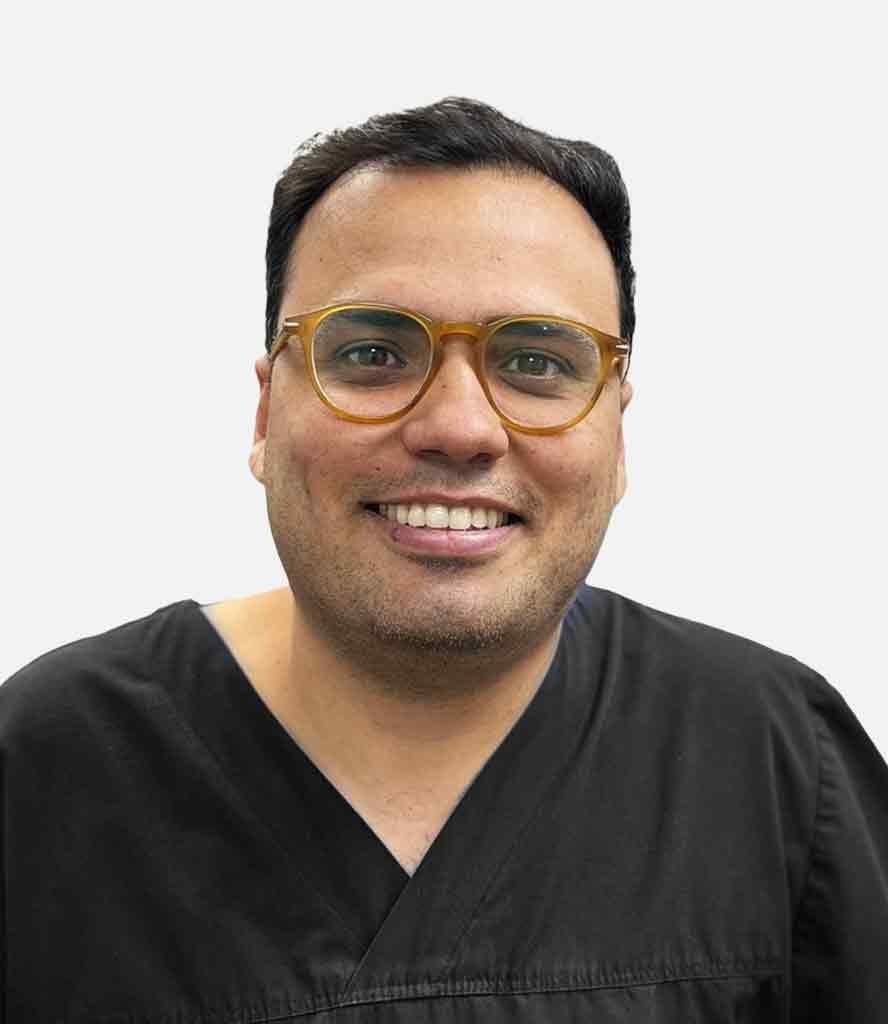
As a lecturer in conscious sedation, these are the questions I'm asked most by patients, and the answers I wish every nervous patient knew.
What is conscious sedation?
Conscious sedation uses medicine to help you feel relaxed and calm during dental treatment. Unlike a general anaesthetic, you stay awake. You can breathe on your own, keep your reflexes, and respond to simple requests like "open a little wider". You just won't feel anywhere near as anxious.
Sedation doesn't numb the area being treated, so local anaesthetic is still used. Think of it this way: the local anaesthetic takes care of pain, and the sedation takes care of the nerves.
The two main types
IV (intravenous) sedation
In UK dentistry, IV sedation usually uses a medicine called midazolam, given through a small cannula in the back of your hand or arm. It works within minutes and the dose can be carefully adjusted to the right level for you.
Most people feel very relaxed and a bit drowsy, and time seems to pass quickly. It commonly causes some memory loss for the period of treatment, so many patients remember very little of their procedure.
Inhalation sedation
Sometimes called "happy air", this is a mixture of nitrous oxide and oxygen breathed through a small nose piece. You'll feel light, warm and relaxed, sometimes with a tingling feeling in your hands or feet. It wears off quickly once you breathe normal air again, which makes it a good option for milder anxiety.
What does it actually feel like?
"Is it over already?" is the most common thing patients say to me after IV sedation.
With IV sedation, you'll probably feel heavy and comfortable, as though you're about to nod off. You'll hear what's happening but won't care much about it. Afterwards you may feel tired and a little unsteady for a few hours.
How is it kept safe?
Conscious sedation has an excellent safety record when it's delivered properly. That means:
- A careful assessment first, including your medical history, medicines and any previous experience of sedation.
- A trained team, with a clinician and a dental nurse who are both trained in sedation.
- Continuous monitoring of your oxygen levels, pulse and blood pressure throughout.
- Emergency drugs and equipment on hand, including a medicine that can quickly reverse IV sedation if needed.
- Following UK standards for conscious sedation in dentistry.
Is it right for me?
Sedation suits many adults who are anxious about treatment, have a strong gag reflex, or need longer procedures like wisdom tooth removal or implant surgery. It may not be suitable if you're pregnant, have certain breathing or liver conditions, or take particular medicines. We'll check all of this with you beforehand.
How to prepare
You'll be given specific written instructions before your appointment, and those always take priority. As a general guide for IV sedation:
- Arrange a responsible adult to come with you, take you home by car or taxi, and stay with you for the rest of the day.
- Follow any instructions about eating and drinking.
- Take your usual medicines unless you've been told otherwise.
- Wear loose, comfortable clothing with sleeves that roll up easily.
- Remove nail varnish from at least one finger so your oxygen levels can be monitored.
- Leave young children at home with someone else, if you can.
Afterwards
You'll rest at the practice until you're ready to leave with your escort. For the rest of that day, and for 24 hours after IV sedation, you shouldn't drive, cycle, operate machinery, drink alcohol, make important decisions or sign legal documents. Plan a quiet, restful day at home.
After inhalation sedation, recovery is much faster, and most adults feel back to normal shortly after treatment. We'll advise you on the day.